
Gadget Gad
Tech is everywhere going into 2023. Every newscast. Every webpage. Every blog. They all talk about tech. Some talk social media. Others talk artificial intelligence. Some talk virtual reality. Most somehow get back to devices or gadgets.
Here is a list of the most sought-after audiophile gadgets that are in the MUST-HAVE list.
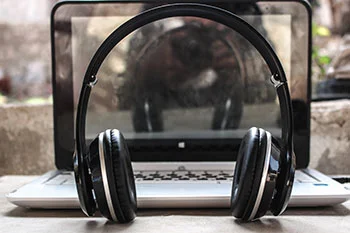
Tables Control Audiophile Systems – and without the need for a Crestron Home System or even Control4. Lighting systems work with apps. So do the headphones mentioned above. HVAC controls work there easily. Shades from the likes of Hunter Douglas work on your iPad – all right next to your streaming music apps like Spotify, Qobuz, Tidal, Amazon Music HD, Apple Music, Pandora, YouTube.com and others

Audiophile Turntables are all the rage. Digitally burned out people are looking to a low-resolution but “slow” and “analog” for media. Much like Millennials like to grow/buy house plants – they tend to like vinyl. It doesn’t sound as good as streaming but for between $400 and $700 you can get a very good turntable capable of taking you back to the 1960s for your musical sources. The artists, engineers and producers designed many of our best records to playback on vinyl. Now the kids are into it. Who knew?
In-ear-Monitors are cool too. Think about how artists look when they are on-stage and have those molded, custom ear-phones in with a mix in their head JUST for them. Well you can have that now for your travel bag, gym setup and more. Companies like Ultimate Ears send out an in-home fitting kit so that you can get 100 percent bespoke IEMs for you that are wired, wireless or whatever. They are colorful, high performance and come with a long battery. Here’s a review of a wired pair of Ultimate Ears made in conjunction with Capitol Records that are designed to be “studio flat” in terms of performance. Super light wright and great sounding.
Nothing says King of All audio-gadgets like home theater seating. Some of the high end products like ones that come from Elite HTS are bespoke meaning that they actually measure you for your own home theater seat. Add that to custom fabrics, exotic leathers and you’ve got one epic gadget for your man cave.
There will be more gadgets worthy of looking at. We will update in a little while. Check back in.
Technology is evolving at an unprecedented pace, and staying up-to-date with the latest gadgets can be overwhelming. Enter Gadget Gad, the one-stop hub for everything tech-related. Whether you’re a seasoned tech enthusiast, a casual consumer, or someone looking to make informed buying decisions, Gadget Gad offers insights, reviews, and recommendations on the latest and greatest in the world of gadgets.
From smartphones and smartwatches to gaming consoles, home automation devices, and futuristic innovations, this comprehensive guide explores everything that makes Gadget Gad a game-changer in the tech industry.
The Evolution of Gadget Gad
Gadget Gad was founded with a simple mission: to bring technology closer to people. The world of gadgets is vast, and navigating through numerous options can be daunting. The platform was created to cut through the clutter and provide valuable insights into emerging trends, product releases, and hands-on reviews.
With a growing team of tech experts, Gadget Gad delivers unbiased reviews and expert opinions, ensuring users make informed choices. Over time, it has become a go-to resource for gadget lovers, offering in-depth analysis, comparisons, and a dedicated community of tech enthusiasts.
Categories of Gadgets on Gadget Gad
1. Smartphones & Accessories
The smartphone industry is a rapidly evolving space, with major players like Apple, Samsung, and Google consistently pushing the boundaries of innovation. Gadget Gad covers the latest smartphone releases, comparing specs, performance, camera quality, and software updates.
Popular smartphone categories on Gadget Gad include:
Flagship smartphones (iPhone, Samsung Galaxy S series, Google Pixel, etc.)
Mid-range and budget-friendly options
Gaming smartphones
Foldable and innovative designs
Essential accessories like chargers, cases, and earbuds
2. Wearable Tech
Smartwatches, fitness trackers, and augmented reality (AR) glasses are reshaping how we interact with technology. Gadget Gad provides detailed reviews on:
Apple Watch vs. Samsung Galaxy Watch vs. Fitbit
Best fitness trackers for health-conscious users
AR and VR wearables, including Meta Quest and HoloLens
Emerging trends in wearable tech
3. Gaming & Entertainment
Gaming is a massive industry, and Gadget Gad keeps gamers updated with the latest consoles, accessories, and gaming peripherals. Some of the areas covered include:
PlayStation, Xbox, and Nintendo Switch comparisons
Best gaming laptops and desktops
Must-have gaming accessories (mechanical keyboards, gaming mice, VR headsets, etc.)
Cloud gaming and its impact on the future of gaming
4. Smart Home Devices
Home automation is becoming increasingly popular, with smart devices making everyday life more convenient. Gadget Gad explores the best smart home gadgets, including:
Smart speakers (Amazon Echo, Google Nest, Apple HomePod)
Security cameras and smart locks
Home automation hubs and voice assistants
Smart lighting and thermostats
5. Audio & Music Gadgets
The world of audio technology is vast, with options ranging from high-end headphones to budget-friendly earbuds. Gadget Gad provides reviews on:
Best wireless earbuds and noise-canceling headphones
Smart speakers and soundbars
Audiophile-grade headphones and amplifiers
Music streaming services and compatible devices
6. Laptops & Tablets
Laptops and tablets are essential tools for work, study, and entertainment. Gadget Gad covers the best options available, including:
Ultrabooks and gaming laptops
2-in-1 convertibles and tablets
Business laptops and productivity devices
Best accessories for enhancing productivity
7. Future Tech & Innovations
Gadget Gad also focuses on futuristic technology, including:
AI-powered gadgets
Foldable displays and flexible tech
Next-generation batteries and charging technologies
The impact of quantum computing on consumer gadgets
In-Depth Reviews and Buying Guides
One of the key highlights of Gadget Gad is its comprehensive reviews and buying guides. Each review follows a structured approach, covering:
Design & Build Quality – Materials, durability, and aesthetics
Performance – Hardware specifications and real-world performance
Software & User Experience – Operating systems and unique software features
Battery Life & Charging – Endurance and fast-charging capabilities
Price & Value for Money – Comparative analysis against competitors
The buying guides provide curated lists of the best gadgets for different needs, such as:
Best Smartphones Under $500
Top Smartwatches for Fitness Enthusiasts
Best Laptops for Students & Professionals
Top Gaming Accessories for Pro Gamers
Community & User Engagement
Gadget Gad is more than just a platform for reviews; it fosters an active tech community. Users can engage through:
Discussion Forums – Share insights, ask questions, and exchange opinions
Live Webinars & Q&A Sessions – Interact with tech experts
Polls & Surveys – Participate in gadget rankings and preferences
User Reviews & Ratings – Contribute firsthand experiences with gadgets
Future of Gadget Gad
As technology advances, Gadget Gad aims to expand its reach by:
Incorporating AI-driven recommendations for personalized gadget suggestions
Developing an interactive mobile app for on-the-go access
Partnering with brands to provide exclusive discounts and giveaways
Covering emerging tech like the metaverse, blockchain, and AI gadgets
Audiophile systems are the pinnacle of audio reproduction, offering enthusiasts an immersive listening experience that captures every nuance of sound. While much focus is placed on high-fidelity speakers, amplifiers, and turntables, one often overlooked yet crucial element in optimizing an audiophile setup is the table or rack on which these components sit. A well-designed table can significantly impact sound quality by controlling vibrations, providing isolation, and enhancing system stability. This article delves into how tables control audiophile systems, exploring materials, design principles, and real-world applications that elevate the listening experience.
The Role of Tables in Audiophile Systems
1. Vibration Control
One of the biggest enemies of high-fidelity sound reproduction is unwanted vibration. Even minor vibrations can interfere with turntable tracking, disrupt amplifier circuits, and create resonance issues that distort audio output. A well-designed audiophile table minimizes these disturbances by employing dampening materials, isolation techniques, and robust construction.
2. Equipment Isolation
Each component in an audiophile system operates best when isolated from external disturbances. Isolation prevents mechanical noise from affecting turntables and CD players while ensuring that vibrations from loudspeakers do not transfer back into the system. Dedicated audiophile tables often include isolation platforms, rubberized feet, or specialized suspension systems to enhance component performance.
3. Structural Stability
High-end audio components can be heavy, especially tube amplifiers and turntables with massive platters. A sturdy table provides the necessary structural integrity to support this weight while preventing any unwanted movement. Tables with solid construction ensure that all components remain securely in place, maintaining optimal audio performance.
Key Features of an Audiophile Table
1. Material Choice
The materials used in an audiophile table significantly affect its performance. Common materials include:
Wood: Offers natural dampening properties but can be susceptible to vibrations if not properly engineered.
Metal: Provides strength and durability but requires additional dampening to prevent resonance issues.
Glass: Aesthetically pleasing but can introduce resonance problems if not properly isolated.
Composite Materials: Designed specifically to absorb and dissipate vibrations, making them ideal for audiophile setups.
2. Dampening Mechanisms
High-end audio tables incorporate dampening features such as:
Sorbothane pads: Used to absorb vibrations and provide isolation.
Sand-filled chambers: Help dissipate energy and minimize resonance.
Floating platforms: Suspended surfaces that reduce external vibrations.
3. Modular Design
Audiophiles often upgrade their systems over time, necessitating a modular table that can accommodate additional components. Some tables feature adjustable shelving, interchangeable platforms, and customizable feet to adapt to different setups.
4. Cable Management
A cluttered system with tangled cables can introduce noise and interference. High-quality audiophile tables often include built-in cable management solutions to keep signal paths clean and organized, ensuring the best possible audio fidelity.
Types of Audiophile Tables
1. Turntable Stands
Turntable stands are designed to provide an ultra-stable and vibration-free platform for vinyl playback. These stands often feature heavy bases, shock-absorbing feet, and isolation platforms to eliminate external interference.
2. Component Racks
Multi-tier component racks house amplifiers, preamps, DACs, and other equipment. These racks prioritize structural integrity and often include vibration-isolating materials to enhance system performance.
3. Wall-Mounted Shelves
Wall-mounted shelves are an alternative for those with limited space or extreme vibration concerns. By decoupling from the floor, these shelves provide superior isolation for turntables and delicate components.
4. Hybrid Audiophile Tables
Some high-end manufacturers produce hybrid tables that combine multiple elements—such as vibration isolation, modularity, and structural rigidity—to cater to serious audiophiles.
How to Choose the Right Audiophile Table
1. Consider Your System’s Needs
Assess your current setup and identify which components require the most isolation and stability. For turntable-heavy systems, a dedicated turntable stand may be the best choice, while all-in-one racks work better for mixed component setups.
2. Evaluate Your Listening Environment
The acoustics of your listening space can influence your table choice. If you experience floor vibrations from foot traffic or external sources, consider a heavily dampened or wall-mounted solution.
3. Budget vs. Performance
Audiophile tables range from budget-friendly options to ultra-premium models. Determine your priorities—whether it’s vibration control, aesthetics, or future expandability—when selecting a table within your budget.
4. Test and Compare
Whenever possible, test different tables with your setup to hear the impact on sound quality. Some retailers offer in-home trials or return policies, allowing you to experiment before committing to a purchase.
Real-World Examples of Audiophile Tables
1. Harmonic Resolution Systems (HRS) Racks
HRS produces some of the most respected audiophile racks in the industry. Their designs incorporate constrained layer dampening, vibration-isolating shelves, and customizable configurations to optimize high-end audio systems.
2. Solidsteel Hyperspike Series
These Italian-designed tables use a combination of stainless steel, aluminum, and MDF to provide outstanding stability and isolation for audiophile components.
3. Quadraspire X Reference
Featuring curved bamboo shelving and optimized shelf spacing, Quadraspire tables minimize unwanted resonance and create an aesthetically pleasing audiophile rack.
DIY Audiophile Tables: Build Your Own High-Performance Stand
For those looking to create a cost-effective solution, building a DIY audiophile table can be a rewarding project. Here’s a simple guide:
Materials Needed:
Heavy-duty plywood or MDF for shelves
Vibration-isolating feet (Sorbothane pads recommended)
Metal or wooden legs for support
Sand or lead shot for dampening (if using hollow legs)
Steps:
Cut the shelves to the desired dimensions.
Attach isolation feet to minimize vibrations.
Secure the legs using high-quality fasteners.
If using hollow legs, fill them with sand or lead shot for additional dampening.
Assemble and test with your audio system, making adjustments as needed.
Audiophile systems are the pinnacle of audio reproduction, offering enthusiasts an immersive listening experience that captures every nuance of sound. While much focus is placed on high-fidelity speakers, amplifiers, and turntables, one often overlooked yet crucial element in optimizing an audiophile setup is the table or rack on which these components sit. A well-designed table can significantly impact sound quality by controlling vibrations, providing isolation, and enhancing system stability. This article delves into how tables control audiophile systems, exploring materials, design principles, and real-world applications that elevate the listening experience.
The Role of Tables in Audiophile Systems
1. Vibration Control
One of the biggest enemies of high-fidelity sound reproduction is unwanted vibration. Even minor vibrations can interfere with turntable tracking, disrupt amplifier circuits, and create resonance issues that distort audio output. A well-designed audiophile table minimizes these disturbances by employing dampening materials, isolation techniques, and robust construction.
2. Equipment Isolation
Each component in an audiophile system operates best when isolated from external disturbances. Isolation prevents mechanical noise from affecting turntables and CD players while ensuring that vibrations from loudspeakers do not transfer back into the system. Dedicated audiophile tables often include isolation platforms, rubberized feet, or specialized suspension systems to enhance component performance.
3. Structural Stability
High-end audio components can be heavy, especially tube amplifiers and turntables with massive platters. A sturdy table provides the necessary structural integrity to support this weight while preventing any unwanted movement. Tables with solid construction ensure that all components remain securely in place, maintaining optimal audio performance.
Key Features of an Audiophile Table
1. Material Choice
The materials used in an audiophile table significantly affect its performance. Common materials include:
Wood: Offers natural dampening properties but can be susceptible to vibrations if not properly engineered.
Metal: Provides strength and durability but requires additional dampening to prevent resonance issues.
Glass: Aesthetically pleasing but can introduce resonance problems if not properly isolated.
Composite Materials: Designed specifically to absorb and dissipate vibrations, making them ideal for audiophile setups.
2. Dampening Mechanisms
High-end audio tables incorporate dampening features such as:
Sorbothane pads: Used to absorb vibrations and provide isolation.
Sand-filled chambers: Help dissipate energy and minimize resonance.
Floating platforms: Suspended surfaces that reduce external vibrations.
3. Modular Design
Audiophiles often upgrade their systems over time, necessitating a modular table that can accommodate additional components. Some tables feature adjustable shelving, interchangeable platforms, and customizable feet to adapt to different setups.
4. Cable Management
A cluttered system with tangled cables can introduce noise and interference. High-quality audiophile tables often include built-in cable management solutions to keep signal paths clean and organized, ensuring the best possible audio fidelity.
Types of Audiophile Tables
1. Turntable Stands
Turntable stands are designed to provide an ultra-stable and vibration-free platform for vinyl playback. These stands often feature heavy bases, shock-absorbing feet, and isolation platforms to eliminate external interference.
2. Component Racks
Multi-tier component racks house amplifiers, preamps, DACs, and other equipment. These racks prioritize structural integrity and often include vibration-isolating materials to enhance system performance.
3. Wall-Mounted Shelves
Wall-mounted shelves are an alternative for those with limited space or extreme vibration concerns. By decoupling from the floor, these shelves provide superior isolation for turntables and delicate components.
4. Hybrid Audiophile Tables
Some high-end manufacturers produce hybrid tables that combine multiple elements—such as vibration isolation, modularity, and structural rigidity—to cater to serious audiophiles.
How to Choose the Right Audiophile Table
1. Consider Your System’s Needs
Assess your current setup and identify which components require the most isolation and stability. For turntable-heavy systems, a dedicated turntable stand may be the best choice, while all-in-one racks work better for mixed component setups.
2. Evaluate Your Listening Environment
The acoustics of your listening space can influence your table choice. If you experience floor vibrations from foot traffic or external sources, consider a heavily dampened or wall-mounted solution.
3. Budget vs. Performance
Audiophile tables range from budget-friendly options to ultra-premium models. Determine your priorities—whether it’s vibration control, aesthetics, or future expandability—when selecting a table within your budget.
4. Test and Compare
Whenever possible, test different tables with your setup to hear the impact on sound quality. Some retailers offer in-home trials or return policies, allowing you to experiment before committing to a purchase.
Real-World Examples of Audiophile Tables
1. Harmonic Resolution Systems (HRS) Racks
HRS produces some of the most respected audiophile racks in the industry. Their designs incorporate constrained layer dampening, vibration-isolating shelves, and customizable configurations to optimize high-end audio systems.
2. Solidsteel Hyperspike Series
These Italian-designed tables use a combination of stainless steel, aluminum, and MDF to provide outstanding stability and isolation for audiophile components.
3. Quadraspire X Reference
Featuring curved bamboo shelving and optimized shelf spacing, Quadraspire tables minimize unwanted resonance and create an aesthetically pleasing audiophile rack.
DIY Audiophile Tables: Build Your Own High-Performance Stand
For those looking to create a cost-effective solution, building a DIY audiophile table can be a rewarding project. Here’s a simple guide:
Materials Needed:
Heavy-duty plywood or MDF for shelves
Vibration-isolating feet (Sorbothane pads recommended)
Metal or wooden legs for support
Sand or lead shot for dampening (if using hollow legs)
Steps:
Cut the shelves to the desired dimensions.
Attach isolation feet to minimize vibrations.
Secure the legs using high-quality fasteners.
If using hollow legs, fill them with sand or lead shot for additional dampening.
Assemble and test with your audio system, making adjustments as needed.
Audiophile systems are the pinnacle of audio reproduction, offering enthusiasts an immersive listening experience that captures every nuance of sound. While much focus is placed on high-fidelity speakers, amplifiers, and turntables, one often overlooked yet crucial element in optimizing an audiophile setup is the table or rack on which these components sit. A well-designed table can significantly impact sound quality by controlling vibrations, providing isolation, and enhancing system stability. This article delves into how tables control audiophile systems, exploring materials, design principles, and real-world applications that elevate the listening experience.
The Role of Tables in Audiophile Systems
1. Vibration Control
One of the biggest enemies of high-fidelity sound reproduction is unwanted vibration. Even minor vibrations can interfere with turntable tracking, disrupt amplifier circuits, and create resonance issues that distort audio output. A well-designed audiophile table minimizes these disturbances by employing dampening materials, isolation techniques, and robust construction.
2. Equipment Isolation
Each component in an audiophile system operates best when isolated from external disturbances. Isolation prevents mechanical noise from affecting turntables and CD players while ensuring that vibrations from loudspeakers do not transfer back into the system. Dedicated audiophile tables often include isolation platforms, rubberized feet, or specialized suspension systems to enhance component performance.
3. Structural Stability
High-end audio components can be heavy, especially tube amplifiers and turntables with massive platters. A sturdy table provides the necessary structural integrity to support this weight while preventing any unwanted movement. Tables with solid construction ensure that all components remain securely in place, maintaining optimal audio performance.
Key Features of an Audiophile Table
1. Material Choice
The materials used in an audiophile table significantly affect its performance. Common materials include:
Wood: Offers natural dampening properties but can be susceptible to vibrations if not properly engineered.
Metal: Provides strength and durability but requires additional dampening to prevent resonance issues.
Glass: Aesthetically pleasing but can introduce resonance problems if not properly isolated.
Composite Materials: Designed specifically to absorb and dissipate vibrations, making them ideal for audiophile setups.
2. Dampening Mechanisms
High-end audio tables incorporate dampening features such as:
Sorbothane pads: Used to absorb vibrations and provide isolation.
Sand-filled chambers: Help dissipate energy and minimize resonance.
Floating platforms: Suspended surfaces that reduce external vibrations.
3. Modular Design
Audiophiles often upgrade their systems over time, necessitating a modular table that can accommodate additional components. Some tables feature adjustable shelving, interchangeable platforms, and customizable feet to adapt to different setups.
4. Cable Management
A cluttered system with tangled cables can introduce noise and interference. High-quality audiophile tables often include built-in cable management solutions to keep signal paths clean and organized, ensuring the best possible audio fidelity.
Types of Audiophile Tables
1. Turntable Stands
Turntable stands are designed to provide an ultra-stable and vibration-free platform for vinyl playback. These stands often feature heavy bases, shock-absorbing feet, and isolation platforms to eliminate external interference.
2. Component Racks
Multi-tier component racks house amplifiers, preamps, DACs, and other equipment. These racks prioritize structural integrity and often include vibration-isolating materials to enhance system performance.
3. Wall-Mounted Shelves
Wall-mounted shelves are an alternative for those with limited space or extreme vibration concerns. By decoupling from the floor, these shelves provide superior isolation for turntables and delicate components.
4. Hybrid Audiophile Tables
Some high-end manufacturers produce hybrid tables that combine multiple elements—such as vibration isolation, modularity, and structural rigidity—to cater to serious audiophiles.
How to Choose the Right Audiophile Table
1. Consider Your System’s Needs
Assess your current setup and identify which components require the most isolation and stability. For turntable-heavy systems, a dedicated turntable stand may be the best choice, while all-in-one racks work better for mixed component setups.
2. Evaluate Your Listening Environment
The acoustics of your listening space can influence your table choice. If you experience floor vibrations from foot traffic or external sources, consider a heavily dampened or wall-mounted solution.
3. Budget vs. Performance
Audiophile tables range from budget-friendly options to ultra-premium models. Determine your priorities—whether it’s vibration control, aesthetics, or future expandability—when selecting a table within your budget.
4. Test and Compare
Whenever possible, test different tables with your setup to hear the impact on sound quality. Some retailers offer in-home trials or return policies, allowing you to experiment before committing to a purchase.
Real-World Examples of Audiophile Tables
1. Harmonic Resolution Systems (HRS) Racks
HRS produces some of the most respected audiophile racks in the industry. Their designs incorporate constrained layer dampening, vibration-isolating shelves, and customizable configurations to optimize high-end audio systems.
2. Solidsteel Hyperspike Series
These Italian-designed tables use a combination of stainless steel, aluminum, and MDF to provide outstanding stability and isolation for audiophile components.
3. Quadraspire X Reference
Featuring curved bamboo shelving and optimized shelf spacing, Quadraspire tables minimize unwanted resonance and create an aesthetically pleasing audiophile rack.
DIY Audiophile Tables: Build Your Own High-Performance Stand
For those looking to create a cost-effective solution, building a DIY audiophile table can be a rewarding project. Here’s a simple guide:
Materials Needed:
Heavy-duty plywood or MDF for shelves
Vibration-isolating feet (Sorbothane pads recommended)
Metal or wooden legs for support
Sand or lead shot for dampening (if using hollow legs)
Steps:
Cut the shelves to the desired dimensions.
Attach isolation feet to minimize vibrations.
Secure the legs using high-quality fasteners.
If using hollow legs, fill them with sand or lead shot for additional dampening.
Assemble and test with your audio system, making adjustments as needed.
Audiophile systems are the pinnacle of audio reproduction, offering enthusiasts an immersive listening experience that captures every nuance of sound. While much focus is placed on high-fidelity speakers, amplifiers, and turntables, one often overlooked yet crucial element in optimizing an audiophile setup is the table or rack on which these components sit. A well-designed table can significantly impact sound quality by controlling vibrations, providing isolation, and enhancing system stability. This article delves into how tables control audiophile systems, exploring materials, design principles, and real-world applications that elevate the listening experience.
The Role of Tables in Audiophile Systems
1. Vibration Control
One of the biggest enemies of high-fidelity sound reproduction is unwanted vibration. Even minor vibrations can interfere with turntable tracking, disrupt amplifier circuits, and create resonance issues that distort audio output. A well-designed audiophile table minimizes these disturbances by employing dampening materials, isolation techniques, and robust construction.
2. Equipment Isolation
Each component in an audiophile system operates best when isolated from external disturbances. Isolation prevents mechanical noise from affecting turntables and CD players while ensuring that vibrations from loudspeakers do not transfer back into the system. Dedicated audiophile tables often include isolation platforms, rubberized feet, or specialized suspension systems to enhance component performance.
3. Structural Stability
High-end audio components can be heavy, especially tube amplifiers and turntables with massive platters. A sturdy table provides the necessary structural integrity to support this weight while preventing any unwanted movement. Tables with solid construction ensure that all components remain securely in place, maintaining optimal audio performance.
Key Features of an Audiophile Table
1. Material Choice
The materials used in an audiophile table significantly affect its performance. Common materials include:
Wood: Offers natural dampening properties but can be susceptible to vibrations if not properly engineered.
Metal: Provides strength and durability but requires additional dampening to prevent resonance issues.
Glass: Aesthetically pleasing but can introduce resonance problems if not properly isolated.
Composite Materials: Designed specifically to absorb and dissipate vibrations, making them ideal for audiophile setups.
2. Dampening Mechanisms
High-end audio tables incorporate dampening features such as:
Sorbothane pads: Used to absorb vibrations and provide isolation.
Sand-filled chambers: Help dissipate energy and minimize resonance.
Floating platforms: Suspended surfaces that reduce external vibrations.
3. Modular Design
Audiophiles often upgrade their systems over time, necessitating a modular table that can accommodate additional components. Some tables feature adjustable shelving, interchangeable platforms, and customizable feet to adapt to different setups.
4. Cable Management
A cluttered system with tangled cables can introduce noise and interference. High-quality audiophile tables often include built-in cable management solutions to keep signal paths clean and organized, ensuring the best possible audio fidelity.
Types of Audiophile Tables
1. Turntable Stands
Turntable stands are designed to provide an ultra-stable and vibration-free platform for vinyl playback. These stands often feature heavy bases, shock-absorbing feet, and isolation platforms to eliminate external interference.
2. Component Racks
Multi-tier component racks house amplifiers, preamps, DACs, and other equipment. These racks prioritize structural integrity and often include vibration-isolating materials to enhance system performance.
3. Wall-Mounted Shelves
Wall-mounted shelves are an alternative for those with limited space or extreme vibration concerns. By decoupling from the floor, these shelves provide superior isolation for turntables and delicate components.
4. Hybrid Audiophile Tables
Some high-end manufacturers produce hybrid tables that combine multiple elements—such as vibration isolation, modularity, and structural rigidity—to cater to serious audiophiles.
How to Choose the Right Audiophile Table
1. Consider Your System’s Needs
Assess your current setup and identify which components require the most isolation and stability. For turntable-heavy systems, a dedicated turntable stand may be the best choice, while all-in-one racks work better for mixed component setups.
2. Evaluate Your Listening Environment
The acoustics of your listening space can influence your table choice. If you experience floor vibrations from foot traffic or external sources, consider a heavily dampened or wall-mounted solution.
3. Budget vs. Performance
Audiophile tables range from budget-friendly options to ultra-premium models. Determine your priorities—whether it’s vibration control, aesthetics, or future expandability—when selecting a table within your budget.
4. Test and Compare
Whenever possible, test different tables with your setup to hear the impact on sound quality. Some retailers offer in-home trials or return policies, allowing you to experiment before committing to a purchase.
Real-World Examples of Audiophile Tables
1. Harmonic Resolution Systems (HRS) Racks
HRS produces some of the most respected audiophile racks in the industry. Their designs incorporate constrained layer dampening, vibration-isolating shelves, and customizable configurations to optimize high-end audio systems.
2. Solidsteel Hyperspike Series
These Italian-designed tables use a combination of stainless steel, aluminum, and MDF to provide outstanding stability and isolation for audiophile components.
3. Quadraspire X Reference
Featuring curved bamboo shelving and optimized shelf spacing, Quadraspire tables minimize unwanted resonance and create an aesthetically pleasing audiophile rack.
DIY Audiophile Tables: Build Your Own High-Performance Stand
For those looking to create a cost-effective solution, building a DIY audiophile table can be a rewarding project. Here’s a simple guide:
Materials Needed:
Heavy-duty plywood or MDF for shelves
Vibration-isolating feet (Sorbothane pads recommended)
Metal or wooden legs for support
Sand or lead shot for dampening (if using hollow legs)
Steps:
Cut the shelves to the desired dimensions.
Attach isolation feet to minimize vibrations.
Secure the legs using high-quality fasteners.
If using hollow legs, fill them with sand or lead shot for additional dampening.
Assemble and test with your audio system, making adjustments as needed.
Audiophile systems are the pinnacle of audio reproduction, offering enthusiasts an immersive listening experience that captures every nuance of sound. While much focus is placed on high-fidelity speakers, amplifiers, and turntables, one often overlooked yet crucial element in optimizing an audiophile setup is the table or rack on which these components sit. A well-designed table can significantly impact sound quality by controlling vibrations, providing isolation, and enhancing system stability. This article delves into how tables control audiophile systems, exploring materials, design principles, and real-world applications that elevate the listening experience.
The Role of Tables in Audiophile Systems
1. Vibration Control
One of the biggest enemies of high-fidelity sound reproduction is unwanted vibration. Even minor vibrations can interfere with turntable tracking, disrupt amplifier circuits, and create resonance issues that distort audio output. A well-designed audiophile table minimizes these disturbances by employing dampening materials, isolation techniques, and robust construction.
2. Equipment Isolation
Each component in an audiophile system operates best when isolated from external disturbances. Isolation prevents mechanical noise from affecting turntables and CD players while ensuring that vibrations from loudspeakers do not transfer back into the system. Dedicated audiophile tables often include isolation platforms, rubberized feet, or specialized suspension systems to enhance component performance.
3. Structural Stability
High-end audio components can be heavy, especially tube amplifiers and turntables with massive platters. A sturdy table provides the necessary structural integrity to support this weight while preventing any unwanted movement. Tables with solid construction ensure that all components remain securely in place, maintaining optimal audio performance.
Key Features of an Audiophile Table
1. Material Choice
The materials used in an audiophile table significantly affect its performance. Common materials include:
Wood: Offers natural dampening properties but can be susceptible to vibrations if not properly engineered.
Metal: Provides strength and durability but requires additional dampening to prevent resonance issues.
Glass: Aesthetically pleasing but can introduce resonance problems if not properly isolated.
Composite Materials: Designed specifically to absorb and dissipate vibrations, making them ideal for audiophile setups.
2. Dampening Mechanisms
High-end audio tables incorporate dampening features such as:
Sorbothane pads: Used to absorb vibrations and provide isolation.
Sand-filled chambers: Help dissipate energy and minimize resonance.
Floating platforms: Suspended surfaces that reduce external vibrations.
3. Modular Design
Audiophiles often upgrade their systems over time, necessitating a modular table that can accommodate additional components. Some tables feature adjustable shelving, interchangeable platforms, and customizable feet to adapt to different setups.
4. Cable Management
A cluttered system with tangled cables can introduce noise and interference. High-quality audiophile tables often include built-in cable management solutions to keep signal paths clean and organized, ensuring the best possible audio fidelity.
Types of Audiophile Tables
1. Turntable Stands
Turntable stands are designed to provide an ultra-stable and vibration-free platform for vinyl playback. These stands often feature heavy bases, shock-absorbing feet, and isolation platforms to eliminate external interference.
2. Component Racks
Multi-tier component racks house amplifiers, preamps, DACs, and other equipment. These racks prioritize structural integrity and often include vibration-isolating materials to enhance system performance.
3. Wall-Mounted Shelves
Wall-mounted shelves are an alternative for those with limited space or extreme vibration concerns. By decoupling from the floor, these shelves provide superior isolation for turntables and delicate components.
4. Hybrid Audiophile Tables
Some high-end manufacturers produce hybrid tables that combine multiple elements—such as vibration isolation, modularity, and structural rigidity—to cater to serious audiophiles.
How to Choose the Right Audiophile Table
1. Consider Your System’s Needs
Assess your current setup and identify which components require the most isolation and stability. For turntable-heavy systems, a dedicated turntable stand may be the best choice, while all-in-one racks work better for mixed component setups.
2. Evaluate Your Listening Environment
The acoustics of your listening space can influence your table choice. If you experience floor vibrations from foot traffic or external sources, consider a heavily dampened or wall-mounted solution.
3. Budget vs. Performance
Audiophile tables range from budget-friendly options to ultra-premium models. Determine your priorities—whether it’s vibration control, aesthetics, or future expandability—when selecting a table within your budget.
4. Test and Compare
Whenever possible, test different tables with your setup to hear the impact on sound quality. Some retailers offer in-home trials or return policies, allowing you to experiment before committing to a purchase.
Real-World Examples of Audiophile Tables
1. Harmonic Resolution Systems (HRS) Racks
HRS produces some of the most respected audiophile racks in the industry. Their designs incorporate constrained layer dampening, vibration-isolating shelves, and customizable configurations to optimize high-end audio systems.
2. Solidsteel Hyperspike Series
These Italian-designed tables use a combination of stainless steel, aluminum, and MDF to provide outstanding stability and isolation for audiophile components.
3. Quadraspire X Reference
Featuring curved bamboo shelving and optimized shelf spacing, Quadraspire tables minimize unwanted resonance and create an aesthetically pleasing audiophile rack.
DIY Audiophile Tables: Build Your Own High-Performance Stand
For those looking to create a cost-effective solution, building a DIY audiophile table can be a rewarding project. Here’s a simple guide:
Materials Needed:
Heavy-duty plywood or MDF for shelves
Vibration-isolating feet (Sorbothane pads recommended)
Metal or wooden legs for support
Sand or lead shot for dampening (if using hollow legs)
Steps:
Cut the shelves to the desired dimensions.
Attach isolation feet to minimize vibrations.
Secure the legs using high-quality fasteners.
If using hollow legs, fill them with sand or lead shot for additional dampening.
Assemble and test with your audio system, making adjustments as needed.
Audiophile systems are the pinnacle of audio reproduction, offering enthusiasts an immersive listening experience that captures every nuance of sound. While much focus is placed on high-fidelity speakers, amplifiers, and turntables, one often overlooked yet crucial element in optimizing an audiophile setup is the table or rack on which these components sit. A well-designed table can significantly impact sound quality by controlling vibrations, providing isolation, and enhancing system stability. This article delves into how tables control audiophile systems, exploring materials, design principles, and real-world applications that elevate the listening experience.
The Role of Tables in Audiophile Systems
1. Vibration Control
One of the biggest enemies of high-fidelity sound reproduction is unwanted vibration. Even minor vibrations can interfere with turntable tracking, disrupt amplifier circuits, and create resonance issues that distort audio output. A well-designed audiophile table minimizes these disturbances by employing dampening materials, isolation techniques, and robust construction.
2. Equipment Isolation
Each component in an audiophile system operates best when isolated from external disturbances. Isolation prevents mechanical noise from affecting turntables and CD players while ensuring that vibrations from loudspeakers do not transfer back into the system. Dedicated audiophile tables often include isolation platforms, rubberized feet, or specialized suspension systems to enhance component performance.
3. Structural Stability
High-end audio components can be heavy, especially tube amplifiers and turntables with massive platters. A sturdy table provides the necessary structural integrity to support this weight while preventing any unwanted movement. Tables with solid construction ensure that all components remain securely in place, maintaining optimal audio performance.
Key Features of an Audiophile Table
1. Material Choice
The materials used in an audiophile table significantly affect its performance. Common materials include:
Wood: Offers natural dampening properties but can be susceptible to vibrations if not properly engineered.
Metal: Provides strength and durability but requires additional dampening to prevent resonance issues.
Glass: Aesthetically pleasing but can introduce resonance problems if not properly isolated.
Composite Materials: Designed specifically to absorb and dissipate vibrations, making them ideal for audiophile setups.
2. Dampening Mechanisms
High-end audio tables incorporate dampening features such as:
Sorbothane pads: Used to absorb vibrations and provide isolation.
Sand-filled chambers: Help dissipate energy and minimize resonance.
Floating platforms: Suspended surfaces that reduce external vibrations.
3. Modular Design
Audiophiles often upgrade their systems over time, necessitating a modular table that can accommodate additional components. Some tables feature adjustable shelving, interchangeable platforms, and customizable feet to adapt to different setups.
4. Cable Management
A cluttered system with tangled cables can introduce noise and interference. High-quality audiophile tables often include built-in cable management solutions to keep signal paths clean and organized, ensuring the best possible audio fidelity.
Types of Audiophile Tables
1. Turntable Stands
Turntable stands are designed to provide an ultra-stable and vibration-free platform for vinyl playback. These stands often feature heavy bases, shock-absorbing feet, and isolation platforms to eliminate external interference.
2. Component Racks
Multi-tier component racks house amplifiers, preamps, DACs, and other equipment. These racks prioritize structural integrity and often include vibration-isolating materials to enhance system performance.
3. Wall-Mounted Shelves
Wall-mounted shelves are an alternative for those with limited space or extreme vibration concerns. By decoupling from the floor, these shelves provide superior isolation for turntables and delicate components.
4. Hybrid Audiophile Tables
Some high-end manufacturers produce hybrid tables that combine multiple elements—such as vibration isolation, modularity, and structural rigidity—to cater to serious audiophiles.
How to Choose the Right Audiophile Table
1. Consider Your System’s Needs
Assess your current setup and identify which components require the most isolation and stability. For turntable-heavy systems, a dedicated turntable stand may be the best choice, while all-in-one racks work better for mixed component setups.
2. Evaluate Your Listening Environment
The acoustics of your listening space can influence your table choice. If you experience floor vibrations from foot traffic or external sources, consider a heavily dampened or wall-mounted solution.
3. Budget vs. Performance
Audiophile tables range from budget-friendly options to ultra-premium models. Determine your priorities—whether it’s vibration control, aesthetics, or future expandability—when selecting a table within your budget.
4. Test and Compare
Whenever possible, test different tables with your setup to hear the impact on sound quality. Some retailers offer in-home trials or return policies, allowing you to experiment before committing to a purchase.
Real-World Examples of Audiophile Tables
1. Harmonic Resolution Systems (HRS) Racks
HRS produces some of the most respected audiophile racks in the industry. Their designs incorporate constrained layer dampening, vibration-isolating shelves, and customizable configurations to optimize high-end audio systems.
2. Solidsteel Hyperspike Series
These Italian-designed tables use a combination of stainless steel, aluminum, and MDF to provide outstanding stability and isolation for audiophile components.
3. Quadraspire X Reference
Featuring curved bamboo shelving and optimized shelf spacing, Quadraspire tables minimize unwanted resonance and create an aesthetically pleasing audiophile rack.
DIY Audiophile Tables: Build Your Own High-Performance Stand
For those looking to create a cost-effective solution, building a DIY audiophile table can be a rewarding project. Here’s a simple guide:
Materials Needed:
Heavy-duty plywood or MDF for shelves
Vibration-isolating feet (Sorbothane pads recommended)
Metal or wooden legs for support
Sand or lead shot for dampening (if using hollow legs)
Steps:
Cut the shelves to the desired dimensions.
Attach isolation feet to minimize vibrations.
Secure the legs using high-quality fasteners.
If using hollow legs, fill them with sand or lead shot for additional dampening.
Assemble and test with your audio system, making adjustments as needed.